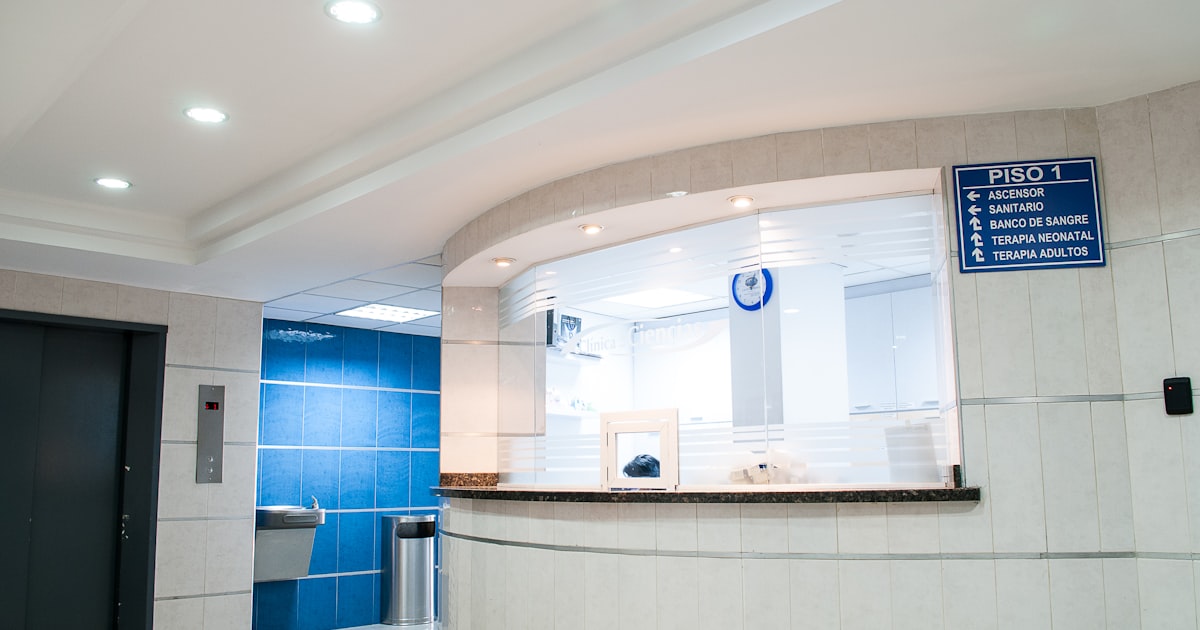
How the Spanish Public Health System Works for Expats in 2026
Spain's Public Healthcare System: An Overview
Spain boasts one of the best public healthcare systems in the world, consistently ranking in the top 10 globally. The Sistema Nacional de Salud (SNS) provides universal healthcare that's free at the point of use for those who qualify—similar to the UK's NHS, but often with even better facilities and shorter wait times for many procedures.
For expats moving to Spain, understanding how to access this excellent public healthcare system is crucial. While some will need private health insurance for visa requirements, many can eventually access the public system either through employment, residency, or reciprocal agreements.
Who Can Access Spanish Public Healthcare?
Access to Spain's public health system depends on your circumstances. Here are the main pathways:
1. Through Employment
If you work in Spain and contribute to the Spanish social security system (Seguridad Social), you automatically qualify for public healthcare.
This includes:
- Employees: Your employer registers you and deducts social security contributions from your salary
- Self-employed (Autónomos): You must register and pay monthly contributions (approximately €294-€530/month depending on income)
- Dependents: Your spouse and children under 26 are covered under your social security
Important for UK remote workers: If you work for a UK company from Spain, you'll eventually need to pay Spanish social security, which gives you access to public healthcare.
2. Through Retirement and Reciprocal Agreements
UK retirees who receive a UK state pension can apply for an S1 form (formerly E106/E121) from the NHS:
- The S1 allows you to access Spanish public healthcare
- The UK government reimburses Spain for your healthcare costs
- Your spouse and dependents are also covered
- You register the S1 with your local Spanish health office
Post-Brexit note: The S1 system continues for UK state pensioners under the UK-EU Withdrawal Agreement, but rules may differ for those who retired after January 2021. Check with the NHS Overseas Healthcare Services.
3. Through Residency (Convenio Especial)
If you're a legal resident in Spain but don't work or receive a pension, you can access public healthcare through the Convenio Especial (Special Agreement):
- Available to Spanish residents who don't qualify through other means
- You pay a monthly fee (approximately €60-150 depending on age and region)
- Covers you and your dependents
- Must be registered as a resident (padrón) in Spain
Eligibility requirements:
- Legal residence in Spain
- Not working or receiving pension that gives automatic access
- Income below certain thresholds (varies by region)
- Registered on the padrón (municipal register)
4. Through European Health Insurance Card (EHIC)
For temporary visits only:
- EU/EEA nationals visiting Spain can use the EHIC for emergency care
- UK nationals have the UK Global Health Insurance Card (GHIC) post-Brexit
- Covers necessary medical treatment during temporary stays
- Not suitable for permanent residents
5. Universal Healthcare (Some Regions)
Since 2018, Spanish law states that all residents have the right to healthcare, regardless of immigration status. However, implementation varies by autonomous community:
- Some regions (like Andalusia, Catalonia) provide access to all registered residents
- Other regions have stricter requirements
- You typically need proof of residency (padrón) and lack of other coverage
How to Register for Spanish Public Healthcare
The registration process varies slightly depending on your pathway, but generally follows these steps:
Step 1: Register on the Padrón
Visit your local town hall (Ayuntamiento) to register as a resident:
- Bring proof of address (rental contract, utility bill)
- Valid passport or NIE
- You'll receive a certificado de empadronamiento
Step 2: Register with Social Security
Depending on your situation:
If employed:
- Your employer handles this
- You'll receive a social security number (número de afiliación)
If self-employed:
- Register online or at the local Tesorería General de la Seguridad Social (TGSS) office
- Choose your contribution level
- Set up monthly payments
If using S1:
- Take your S1 form to the local health office (Centro de Salud)
- Along with passport, padrón, and NIE
Step 3: Get Your Health Card
Once registered with social security, apply for your health card (Tarjeta Sanitaria Individual or TSI):
- Visit your nearest Centro de Salud (health center)
- Bring your social security number, NIE, padrón, and passport
- The card is usually issued within 1-4 weeks
- Each autonomous community has its own card design
Temporary coverage: You can receive emergency care before your card arrives by showing your social security documents.
Step 4: Register with a GP
Your health card will assign you to:
- A specific Centro de Salud (based on your address)
- A GP (médico de cabecera)
You can usually choose your GP from those available at your assigned center.
What Does Spanish Public Healthcare Cover?
Spain's public health system provides comprehensive coverage, including:
✅ Fully Covered Services
- GP consultations and routine checkups
- Specialist referrals (requires GP referral)
- Emergency care (urgent care centers and hospital A&E)
- Hospital treatment including surgery and stays
- Maternity care (prenatal, delivery, postnatal)
- Prescription medications (with co-payment for working-age adults)
- Medical tests (blood tests, X-rays, MRIs, CT scans)
- Mental health services (though availability varies by region)
- Rehabilitation and physiotherapy (limited sessions)
💰 Partially Covered (Co-Payments Required)
Prescription Medications:
| Status | Co-Payment |
|---|---|
| Working adults | 40% of cost (max €4.26 per prescription) |
| Pensioners (income €18,000-€100,000) | 10% (max €8.23/month) |
| Pensioners (income >€100,000) | 60% (max €61.75/month) |
| Pensioners (income <€18,000) | Free |
| Unemployed, chronic conditions | Free or reduced |
❌ Not Covered (Private Insurance Needed)
- Dental care (except emergencies and extractions)
- Optical care (glasses, contact lenses, routine eye tests)
- Cosmetic procedures
- Alternative therapies (acupuncture, homeopathy)
- Private hospital room upgrades
- Non-essential physiotherapy beyond allocated sessions
- Advanced fertility treatments (IVF has limited availability in public system)
Spanish Public Healthcare: Pros and Cons
✅ Advantages
- Free at point of use for most services
- High quality care with modern facilities
- Excellent for emergencies and serious conditions
- No lifetime limits or coverage caps
- Good coverage for chronic conditions
- Strong preventive care programs
- Universal access regardless of pre-existing conditions
❌ Disadvantages
- Wait times can be long for non-urgent specialist appointments (weeks to months)
- Language barrier - most services only in Spanish (English less common than in private care)
- Limited choice of doctors and hospitals (assigned based on address)
- Bureaucracy - navigating the system can be complex
- Regional variations - quality and wait times vary by autonomous community
- No dental or optical coverage for most adults
- GP required for specialist referrals - can't go directly to specialists
Public vs Private: Which Do You Need?
Many expats wonder whether they should use public healthcare, get private insurance, or have both. Here's a breakdown:
Public Healthcare Alone (Best For:)
- Those who are comfortable speaking Spanish
- People without urgent medical needs
- Budget-conscious expats
- Those living outside major expat areas
- Families with children (pediatric care is excellent)
Private Insurance Alone (Best For:)
- Expats who need it for visa requirements
- Those preferring English-speaking doctors
- People wanting faster access to specialists
- Expats in their first year before qualifying for public care
Both Public and Private (Best For:)
- Comprehensive peace of mind
- Using public for emergencies/serious conditions
- Using private for routine care and specialists
- Access to dental and optical through private insurance
Popular approach: Many expats use public healthcare as their main coverage but maintain a basic private policy (€30-60/month) for faster access to GPs, English-speaking doctors, and coverage for dental/optical.
Quality of Spanish Healthcare by Numbers
- Life expectancy: 83.6 years (3rd highest in EU)
- WHO ranking: 7th best healthcare system globally
- Doctor-patient ratio: 4.4 doctors per 1,000 people (above EU average)
- Hospital beds: 3.0 per 1,000 people
- Healthcare spending: 9.1% of GDP
- Out-of-pocket costs: 24% (lower than many European countries)
Regional Differences in Healthcare
Healthcare is managed by Spain's 17 autonomous communities, leading to variations:
Best-Rated Regions for Healthcare:
- Basque Country: Excellent facilities and short wait times
- Navarra: High-quality care with well-funded hospitals
- Madrid: Modern facilities, though busier due to population
- Catalonia: Good infrastructure, some services available in English
Regions with Longer Wait Times:
- Canary Islands
- Balearic Islands
- Parts of Andalusia (though improving)
Note: Even in "slower" regions, emergency care is immediate and high-quality. Wait times mainly affect non-urgent specialist appointments and elective procedures.
Common Questions About Spanish Public Healthcare
Can I choose my hospital?
For routine care, you're assigned to the nearest hospital and health center based on your address. For serious conditions, you may be referred to specialized hospitals. Private insurance gives you choice of facility.
Will doctors speak English?
In tourist areas and major cities, some doctors speak English, but it's not guaranteed in the public system. Learning basic medical Spanish is highly recommended. Private insurance typically offers more English-speaking options.
How long are wait times?
Varies significantly:
- GP appointments: Usually within 1-7 days
- Emergency care: Immediate (triaged by severity)
- Specialist appointments: 2 weeks to 3 months (varies by specialty and region)
- Non-urgent surgery: 1-6 months
- Diagnostic tests: 1-4 weeks
What about prescription costs?
Most working-age adults pay 40% of prescription costs (capped at €4.26 per item). Pensioners and unemployed people pay less or nothing. Many medications are much cheaper in Spain than in the UK or US, even with co-payments.
Do I need private insurance if I have public healthcare?
Not legally required if you qualify for public care. However, many expats keep basic private insurance for:
- Dental and optical coverage
- English-speaking doctors
- Faster access to specialists
- Peace of mind
You can compare private insurance options here to complement your public coverage.
Healthcare for Specific Expat Groups
UK Retirees
- Apply for S1 form from NHS (if receiving UK state pension)
- Alternatively, use Convenio Especial
- Excellent care for age-related conditions
- Some retirees maintain private insurance for dental and faster access
Digital Nomads & Remote Workers
- Initially need private insurance for visa
- After registering as autónomo, qualify for public healthcare
- Social security contributions are approximately €294-530/month
- Many choose to keep private insurance alongside public
Families with Children
- Pediatric care in public system is excellent
- Maternity care fully covered
- School health programs available
- Children covered under parents' social security until age 26
Students
- Usually need private insurance for student visa
- Some universities offer group insurance plans
- EHIC/GHIC covers temporary stays but not as full-time resident
Emergency Care: What You Need to Know
Spain's emergency care is excellent and available to everyone, regardless of insurance status:
Types of Emergency Facilities:
- Urgencias (Emergency Rooms): Hospital-based A&E departments
- Centro de Urgencias/PAC: Urgent care centers for less serious issues
- 112: National emergency number (ambulance, fire, police)
What Counts as Emergency?
- Severe pain or injury
- Chest pain, breathing difficulties
- Severe bleeding
- Suspected broken bones
- High fever with severe symptoms
- Sudden vision changes or severe headache
Emergency Care Process:
- Present at Urgencias with your health card (or passport if you don't have one)
- You'll be triaged based on severity (color-coded system)
- Wait time depends on severity (life-threatening cases seen immediately)
- Treatment is free for those with public healthcare coverage
- Without coverage, you may receive a bill afterward
Getting Started with Spanish Healthcare
If you're planning your move to Spain or have recently arrived, here's your action plan:
Before You Move:
- Research whether you'll qualify for public healthcare
- Apply for private health insurance if needed for your visa
- If retiring, apply for S1 form from the NHS
- Learn basic medical Spanish vocabulary
In Your First Month:
- Register on the padrón at your local town hall
- Apply for NIE (if you don't have one)
- Register as autónomo if self-employed
- Submit S1 form if you have one
Within Three Months:
- Apply for your health card at the Centro de Salud
- Register with a GP
- Get familiar with your local health center and hospital
- Update your medical records if you have chronic conditions
Need Help Navigating Spanish Healthcare?
Understanding Spain's healthcare system can be complex, especially when dealing with registration, social security, and language barriers.
Contact us for help with healthcare registration →
We can assist with:
- NIE and residency applications for healthcare access
- Autónomo registration for self-employed workers
- Connecting you with English-speaking gestorías
- Finding the right health insurance to complement public care
- Understanding social security requirements
Information current as of March 2026. Healthcare regulations and access rules can change. Always verify your specific situation with local authorities or a qualified advisor. For private health insurance requirements, see our complete guide to private health insurance in Spain.